My big toe was tucked under the arch of my other foot before I'd even set my hands down for downward dog — an old habit by then, hiding a nail I didn't want students noticing from the back row. Six days a week of teaching barefoot doesn't leave much room to hide a foot-care problem, and mine had been visible for a long time.
Before I get into any of this, quick housekeeping. Some of the links below are affiliate ones, meaning I earn a small commission if you buy through them, at no cost to you. I only mention products I've actually put on my own foot, and I'll say the obvious part out loud: I'm not a doctor, a podiatrist, or any kind of health professional. Just a yoga teacher who got humbled by a toenail and started paying attention to her own nail-health habits.
Why My Feet Were the Last Thing I Worried About
For a long time, I told myself a clean yoga mat was basically nail-health insurance. I wiped mine down before and after every class, let it air dry, treated the whole ritual like it mattered more than it probably did. Whether reinfection actually travels from a shared studio floor back onto a mat is a longer conversation than I can fairly cover here, but I leaned hard on "I clean my mat" as proof that whatever was happening to my toe couldn't possibly be on me. Barefoot yoga is a grounding, lovely practice right up until a hard yellow patch on one nail turns every forward fold into a small performance of hiding your own foot.
Three Months of Tea Tree Oil and Not Much Else
Once I admitted the problem wasn't going away by itself, my first move was a bottle of tea tree oil from New Seasons, applied twice a day for a solid three months. Morning and night, that same faintly medicinal smell followed me into the studio, clashing with whatever cedar incense someone had lit before class. Nothing changed. Not a shade lighter, not a sliver of new growth I could point to, just the same yellow, patient as ever.
Somewhere around month two, I finally looked into the actual nail plate instead of just staring at it, and it turns out that's a genuinely tough little barrier for anything to get through, which is probably the short version of why oil sitting on top of a nail doesn't accomplish much on its own. The longer explanation of exactly why belongs in a different post entirely; what mattered to me at the time was that dabbing oil on top of my toenail every day for three months hadn't moved anything, even slightly.
Natural Remedies Work Differently
Not even close, as it turns out. Some treatments work from the outside in, others from the inside out, and weighing those two approaches properly is its own conversation, one I've had elsewhere rather than here. Discoloration itself isn't always the same story either, a nail can change color for more than one reason, something I didn't appreciate back when I assumed every yellow toe meant the exact same thing. What you put your bare feet into after class matters too, since damp socks and closed shoes make for a very different environment than dry ones, though that's a deeper rabbit hole than today's post. Somewhere in the middle of all this my nail also got noticeably thicker for a stretch, a small surprise I hadn't expected alongside the color change.
Tracking a Nail That Wouldn't Cooperate
Around that time I started an actual log on my phone: what I'd applied, when, plus a photo of my toe every two weeks, mostly so I'd stop lying to myself about progress that wasn't there. My friend Marisol, who keeps a meticulous handwritten journal for basically everything in her life, laughed when she saw my notes-app version and said I was finally speaking her language. We were walking the tideline at Sauvie Island beach one Sunday, shoes off, when she asked if I'd ever checked my own pedicure tools the way I used to lecture other people about doing. A fair question, since tools passing something between themselves is its own quiet risk I'd been ignoring in my own bathroom.
Small Signs the Routine Was Working
Honestly, once I started paying real attention, logging, adjusting, giving something actual time instead of judging it after a week, I switched to Kerassentials, an oil-based formula built around tea tree and lavender rather than tea tree alone, gentler on the skin around the nail than what I'd been using before. It's topical only, no capsules, backed by a 60-day money-back guarantee, which mattered to me because the label itself sets expectations at six to eight weeks before you'd see any visible change — a timeline that actually matched what I was watching happen instead of promising something instant.
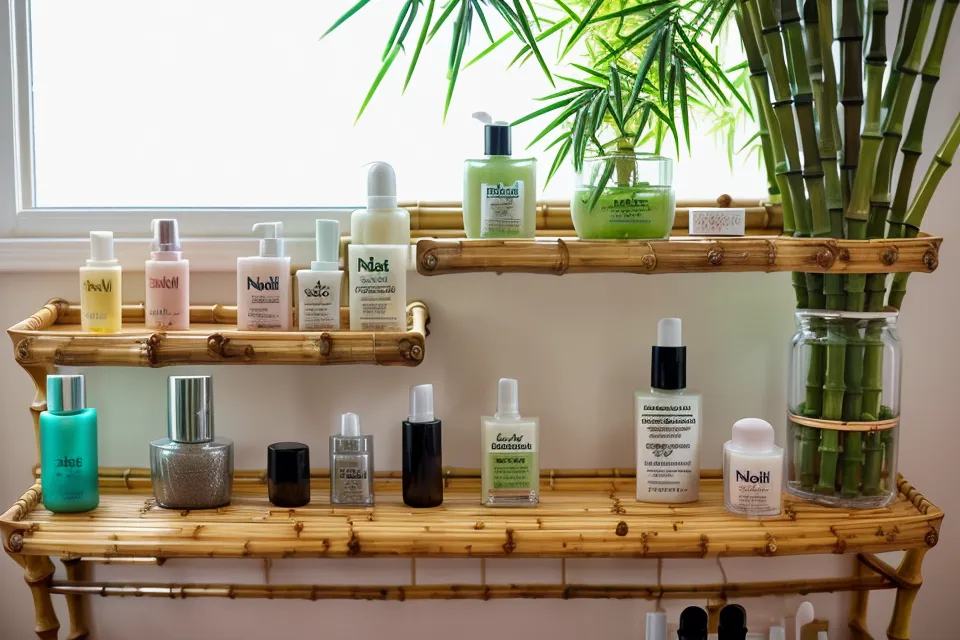
Most of that application happens in the clawfoot tub in my rented Craftsman in Sellwood: one foot braced on the rim, the wall shelf of glass oil bottles and the pumice stone in its dish close enough to reach, the overhead bulb turned down low the way it always is in the evenings. The bath mat underneath has gone faintly yellow from other soaks over the months, which felt almost fitting.
Folding forward in class one morning, my nail caught the edge of the mat with a small, clean click instead of the soft, embarrassing crumble I'd braced for, five weeks after I'd started the new routine, though I only did that math afterward. It wasn't dramatic. Nobody in the room noticed but me, which was, for the first time in months, a relief instead of a threat. Nails move at their own pace no matter how much attention you throw at them, which is a bigger topic than I can unpack properly here, but it's worth knowing before you expect fast results.
Ogechi, who's shown up to my Thursday morning class for what feels like forever and writes down almost everything I say, caught me smiling mid-pose and asked what was going on. I didn't have a tidy answer beyond "consistency, apparently," which felt like a strange thing to be proud of after so many months of nothing.
The applicator brush is honestly what sold me on Kerassentials long after the oil itself did; it let me get product up under the edge of the nail instead of just painting the flat top surface, which is where a lot of my three months with tea tree oil went to waste. If you're trying to decide between rubbing something onto the nail versus swallowing a capsule and letting your body handle it, I actually laid both approaches out side by side in an older post about topical oils vs oral supplements, in case you want the fuller comparison instead of the short version here.
I still prefer topical treatments because I can see and feel them working, but plenty of people get better results going at this from the inside. Keravita Pro is the capsule route — garlic and turmeric among the ingredients, taken daily rather than applied — and I've written more about why internal supplements support barefoot care if that approach appeals to you more than dropper bottles and applicator brushes. Whatever direction you lean, talk to your own doctor first, especially if anything else is going on health-wise. My mom's foot care routine looks completely different from mine for exactly that reason.
My Feet Don't Hide Anymore
These days I don't spend class quietly rearranging my feet to keep one toe out of view, which, now that I say it out loud, was a bigger tax on my attention than I gave it credit for at the time. The nail itself still isn't flawless; there's a faint mark near the base that will take a good while longer to grow out, and I've stopped pretending patience is optional in something that moves this slowly. If there's one thing worth keeping from all of this, it's that consistency mattered more than any single bottle or capsule: showing up for the same small routine on the days it felt pointless is what actually moved things, the same way a daily practice on the mat only pays off once you stop treating it as optional.
If you're standing in a pharmacy aisle right now, staring at little glass bottles and not sure where to start, here's my honestly unsolicited advice: the delivery method matters as much as the ingredient list, maybe more. I still reach for Kerassentials most mornings, mainly because it fits into a barefoot teaching schedule without making me smell like a walking clinic, which mattered more to me than I expected going in. Clean your mat, keep the routine boring and repeatable, and give any treatment real weeks before deciding it isn't working. That's more or less the whole system.