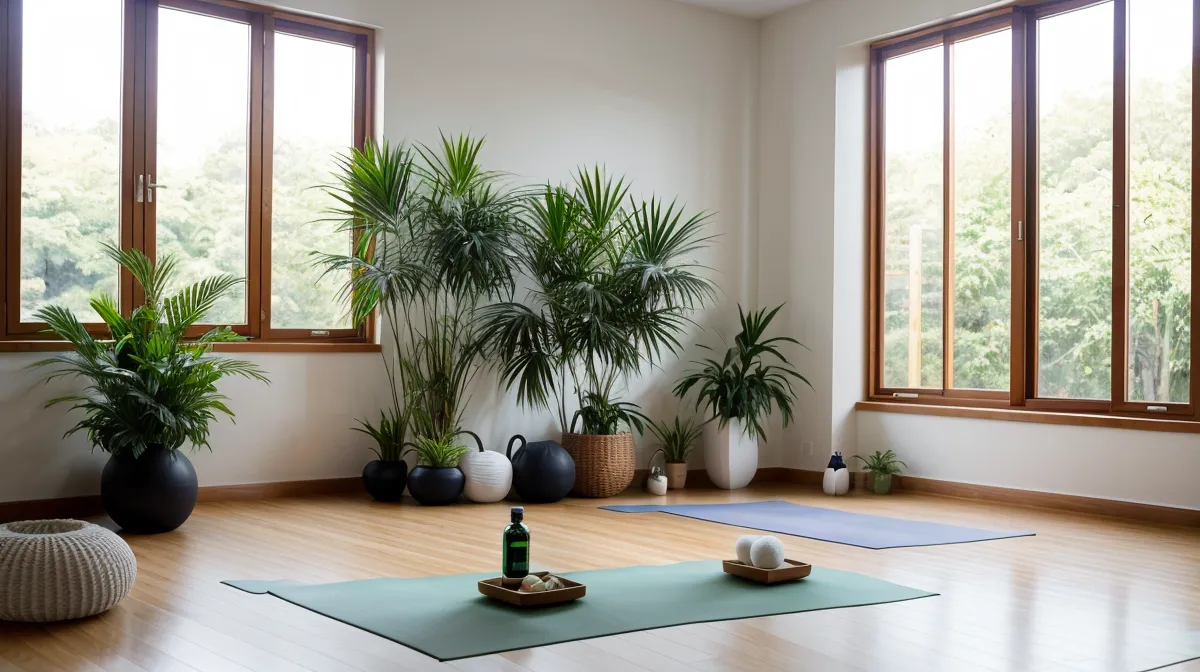
The one body part that's supposed to ground you through an entire yoga class often becomes the part you're most self-conscious about. That's what I faced the day I finally admitted the yellowish tint on my big toenail wasn't fading on its own. I'm a yoga instructor who teaches barefoot most days of the week, so nail health isn't some abstract wellness topic for me. It's on full display at the front of every room I teach in. What follows is the actual foot care routine and the natural remedies that helped, plus a couple of things that just wasted my time.
My first move was pure panic, not strategy. I trimmed that nail back as short as I could stand, then went after it every night with a stiff-bristle brush, like sheer scrubbing could out-argue whatever was actually going on underneath. All it did was leave the skin around the nail raw and irritated while the yellow tint sat there, completely unbothered by my efforts.
The first person to say anything about it wasn't a student — it was Gennifer Achara, who teaches Pilates two doors down from my usual studio and shares the same locker room. She caught a glimpse of my toe in the changing room one afternoon and had an oil blend recommendation ready before I'd said a single word about what was wrong. That kind of humbling sticks with you longer than any correction ever does in class.
I want to be upfront about something: I'm not a doctor, a dermatologist, or any kind of medical professional — just a teacher who got humbled by her own toenail and decided to take foot care seriously. If something similar is going on with you, treat this as one instructor's honest experience, not a treatment plan, and check in with a professional if things aren't improving.
1. Why Your Calluses Aren't the Enemy of Foot Care
Here's something I wish someone had told me years ago: calluses are trying to help you, not betray you. When my feet started looking less than photo-ready, I went at them with a metal foot rasp like the tough skin itself was the problem I needed to solve. The more aggressively I ground it down, the faster and tougher it grew back, almost like my body sensed an attack and sent reinforcements. Denser layers eventually cracked at the edges instead of softening.
Now I treat that tough skin like a shield that needs softening, not stripping. A soft brush and a gentle salt scrub do the job without leaving the surface raw, and there's a particular grit-and-catch feel against a stubborn heel patch that tells you exactly when to ease off before you've gone too far. If you're barefoot for hours at a stretch, you actually want some of that density. You just want it pliable instead of cracked. A regular Epsom salt foot soak for yellow toenails has done more for keeping mine soft than any amount of filing ever managed.
Whatever tool touches your feet regularly — a pumice stone, a foot file, a metal rasp — picks up whatever was on the last surface it touched, so mine doesn't get to live in a damp shower caddy anymore. It sounds like a small thing until you realize how often you're reintroducing the exact conditions you're trying to get rid of.
2. Moving Past the Tea Tree Oil Quick Fix
Tea tree oil is a genuinely good natural antiseptic, and I don't regret trying it. But dabbing something on top of the nail only ever solves half the problem, since oil applied to the surface often can't get far enough underneath to reach whatever is actually happening there — I got into exactly why in why tea tree oil failed my toenails and what I did next, if you want the fuller version. Once that clicked for me, I started paying attention to what I was doing from the inside — food, hydration, a supplement or two — instead of only what I dabbed on top.
Honestly, not every discolored nail is dealing with the same underlying cause, and mine got noticeably thicker and denser before it ever looked better, which apparently isn't unusual. I can't tell you which is which just by looking at a photo — that's a rabbit hole for a different article — but understanding that changed how patient I was willing to be with my own timeline.
3. Your Feet Touch More Than Just Your Mat
Every barefoot teacher gets told to keep her mat clean, and fair enough. A mat is just one surface among dozens your feet touch in a given week, from locker room floors and shared props to the grass path I walk barefoot through Mount Tabor Park after a long teaching day, and any surface more than one set of bare feet touches deserves the same attention as the rectangle you personally roll up and carry home.
Gennifer's the one who actually got me thinking past my own gear. She's fiercely protective of the floor in our shared studio space, wiping it down between her own sessions without anyone asking her to, and watching her do that made me realize I'd been treating my mat like an island when it never really was one.
4. The Class Where I Stopped Hiding My Toes
Somewhere around week four of actually being consistent with the supplements, the softer touch with my calluses, and minding surfaces beyond my own mat, a student made an offhand comment during savasana that stopped me cold. She said something about how she'd stopped even noticing my feet during class, and it took me a second to realize what that meant: I hadn't spent that entire hour quietly angling my foot away from the front row, the way I usually did without even thinking about it.
My neighbor Willa Nwafor, an occupational therapist who's diplomatically skeptical of pretty much every wellness trend I bring home, raised an eyebrow at how closely I was tracking all of it. Even she admitted the change was hard to argue with once she saw it laid out. I mentioned some of what I was trying, including a stretch where I paired an external mist with that internal support, in my three month ProNail Complex review, mostly so I'd have an honest record instead of just a vague feeling that things were getting better.
5. Give Your Feet Air, Light, and Time
Portland means boots for a good chunk of the year, and damp leather sitting around bare skin all day isn't doing any nail any favors — that alone is worth thinking about when you're choosing what goes on your feet each morning. The second I'm home, the shoes and socks come off and stay off. On clear afternoons I'll walk barefoot through Mount Tabor Park for ten minutes or so, just letting some actual air and sunlight reach my toes instead of trapping them in synthetic fabric all evening.
Growing in a healthy nail takes a long time no matter what you do, and there's no shortcut that changes that timeline. Waiting on it felt a lot like holding a long, unglamorous pose — nothing dramatic to do but stay steady and let time handle the actual work. You wouldn't expect to master Kapotasana in a single week, so don't expect your nails to behave any differently. If something looks like it's getting worse instead of better, that's worth a real conversation with a professional who can actually examine it — but for the everyday maintenance side, these small natural shifts changed how I feel about my own feet, in front of a room full of students or otherwise.