There's no good answer to what you should say to a student who's staring at your big toenail from three feet away during Pigeon Pose in a barefoot yoga class, clearly trying not to react. I still haven't landed on a good line for that one.
That question, in a dozen different forms, is basically the reason this post exists. Readers ask me some version of it constantly — after class, over email, once from a woman who recognized me near the produce stalls at the Multnomah Village farmers market. So here's my honest attempt at answering the ones that come up most, using Kerassentials and everything else I've tried for foot care and nail health along the way. Quick disclosure before we get into it: some of the links below are affiliate links, meaning I earn a small commission if you buy through them, at no extra cost to you. I'm not a doctor or a dermatologist — just someone who teaches barefoot yoga and got tired of curling her toes under during class.
The Questions I Actually Get Asked
First one, almost every time: what even is that? The clinical name is onychomycosis, a fungal nail infection that spreads through warm, damp, shared surfaces — locker rooms, communal showers, studio floors that a hundred bare feet have crossed that week. It doesn't check how calm you are once you're on the mat. It just needs an opening.
Second question, usually asked more quietly: does it hurt? Rarely, in my experience, though that's a conversation between you and whoever handles your health, not something I'll diagnose from a blog post. Third: how does a yoga teacher, of all people, end up with this? Bare feet on a mat all day sounds like the opposite of a fungal risk, and that's exactly the assumption that got me.
Topical vs. Capsule: Which One to Choose
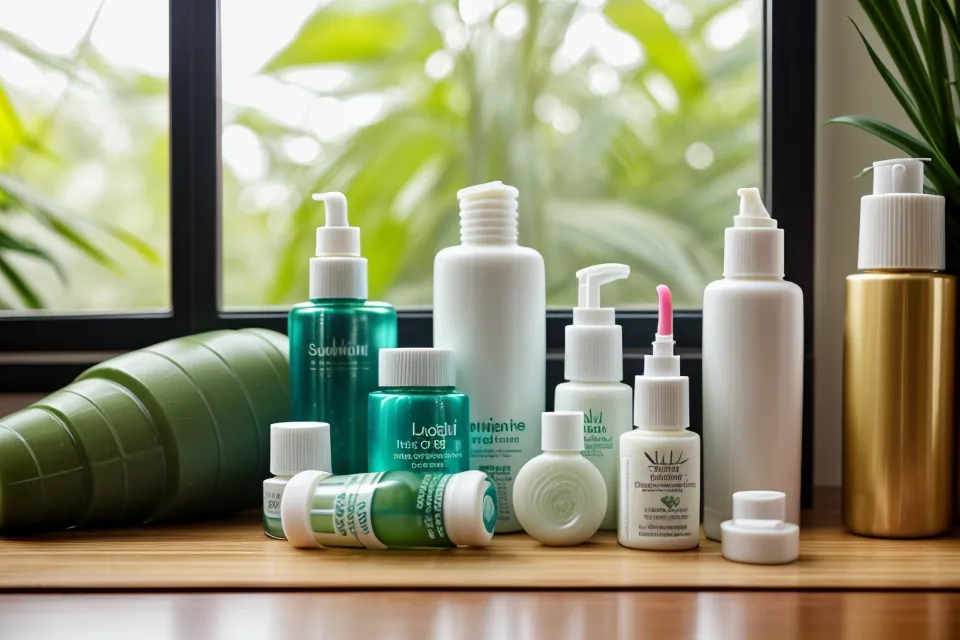
My answer starts with Kerassentials, an oil blend built around lavender, flaxseed, and tea tree that you apply directly onto the nail rather than swallow. I liked being able to see it sitting on the nail, watch it absorb, adjust how much I used based on what the nail looked like that week. A capsule like Keravita Pro asks you to trust your digestion to shuttle the ingredients where they need to go, and that's a real difference, not just a texture preference — staying topical puts the active ingredients right at the nail bed without your gut deciding how much of it actually survives the trip.
Honestly, the pill route has real fans, and a few of my students swear by it purely for convenience. But for a visible problem I wanted a visible fix — something I could watch change instead of hoping it was working somewhere I couldn't see.
That Oregano Oil Trick Never Worked
Before Kerassentials, I tried mixing oregano oil into coconut oil and dabbing it onto the nail with a cotton swab most nights, because someone in a forum swore by it. Nothing happened. The color didn't shift, the texture stayed the same, and the only lasting result was a stain on my favorite towel that never fully came out.
Plain tea tree oil was an earlier attempt that went nowhere too, for reasons that had less to do with the oil itself and more to do with how it actually reaches the nail bed — I unpacked that whole rabbit hole separately in Why Tea Tree Oil Failed My Toenails and What I Did Next if you want the longer version.
Kerassentials vs ProNail Complex vs Keravita Pro
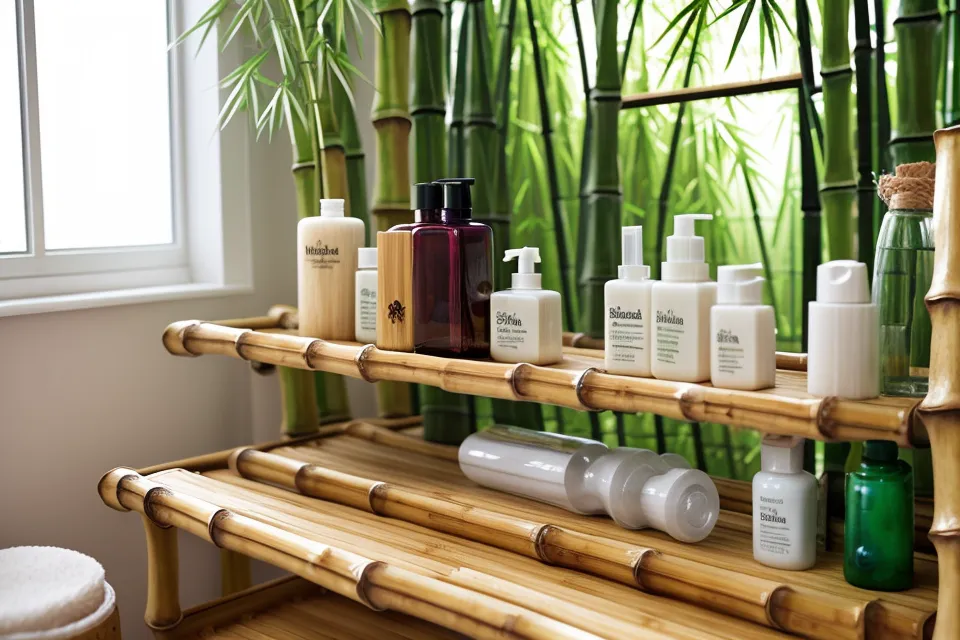
If you're comparing options, here's the honest breakdown from someone who's tried all three approaches in some form. ProNail Complex uses a spray instead of a dropper, which some of my students prefer because there's no oily residue to deal with before pulling on socks — though a spray can feel like overkill if you're only treating one or two nails. I laid out a longer version of oils versus mists in Topical Oils vs Mineral Mists if format is really what you're deciding between.
Keravita Pro, the capsule option, makes sense if swallowing a pill sounds easier than remembering a nightly application — consistency is the real variable there, and some people are simply better at remembering pills than droppers. For me, sticking with a topical like Kerassentials turned out easier once it became part of the after-shower routine rather than a separate decision every night. One more thing worth knowing before you choose: a nail that's gone noticeably thick as well as discolored is a slightly different situation than one that's just yellowed, and that thickening question deserves its own answer rather than a quick aside here.
Stopping Reinfection Before It Starts
A reader named Rafe Sundell emailed me a while back — a triathlete who trains through weather most people would call unreasonable without ever complaining about it — asking how to keep his feet in decent shape during his heaviest training blocks. His question comes back to me often, because endurance training and barefoot yoga arrive at the same problem from opposite directions: feet spend hours a day damp, warm, and enclosed, or damp, warm, and bare on a shared floor. Either way, reinfection risk doesn't vanish just because the visible nail looks better.
What actually helps: treating the mat and the shoes, not just the nail. Keeping a mat clean matters more for stopping reinfection than most people assume, though the real routine for that is long enough to deserve its own space rather than a paragraph here. The same goes for what you put your feet into right after — sandals, sneakers, damp socks left on too long — and for not sharing clippers or pedicure tools without cleaning them first, which is an easy way to hand an infection right back to yourself after you've done the hard work of clearing it.
None of that daily maintenance is limited to nails, either. My actual foot routine has more to do with plain upkeep than anything medicinal — the rough scratch of a pumice stone working over a callused heel after a shower does more for how my feet feel in class than any oil ever has, fungus treatment or not.
Timeline for Visible Results
Six to eight weeks, typically, before you notice anything at all, and that's the honest window most people using an oil-based approach report. It's not a guess, just what tends to hold true before the visible part catches up. That's a long stretch to stay disciplined about a nightly routine with nothing to show for it yet.
The tell, when it finally shows up, is small. Mine turned out to be a clear, unbroken base coat right at the cuticle line. No pitting, no ridges, just a smooth surface under the brush where there used to be texture you could feel before you could even see it.
How fast that new growth actually replaces the old part is its own question with a longer answer than fits here. I track that differently than I used to, and it's worth reading on its own rather than folded into this one.
Patience with a nail works a lot like patience in a long-held pose. The change happens in stretches you can't feel happening, then one day the shape is different. A neighbor of mine spends her weekends tending a dahlia plot at a community garden near Leach Botanical Garden, and she says the same thing about her flowers: weeks of nothing visible, then a bud that seems to arrive overnight. Foot care runs on that exact clock, whether or not you're patient about it.
If you're at the point of actually deciding, Kerassentials here is where I'd point you first, especially if you'd rather watch a visible routine work than trust a capsule to do it invisibly. Not every discolored nail is fungal, by the way. Trauma from stubbing a toe on the corner of a mat can leave a strikingly similar mark, and telling the two apart is a whole separate question I answered properly in How to Practice Barefoot Yoga While Dealing with Nail Discoloration. Start wherever your actual question is, and work from there.